

The Fried Egg Doctrine
A proper understanding of the world around us is essential for everyone who makes decisions or shapes them.
The Fried Egg Theory, Concept or Doctrine aims to illustrate global interconnectedness and interdependence simply through a familiar example: fried eggs.
What follows is not a discovery. It is an obvious truth that needs continual review and promotion. Everyone should know how many countries must participate for an Iranian citizen to prepare fried eggs.
The theory also seeks to challenge mistaken interpretations of independence or self-sufficiency and raise this question: can we live in the modern age if our connections with the world are severed?
It also tries to offer clues to people wondering why their lives and daily necessities are tied to the dollar and sanctions.
What Are Fried Eggs?
Fried eggs are one of the simplest dishes made with eggs and are usually served for breakfast.
To prepare fried eggs, put eggs into a hot pan containing butter or oil and add salt. Once the eggs are no longer raw and have set, they are ready. (Source: Abadis Dictionary)
Ingredients and Equipment Needed to Make Fried Eggs
- Eggs, salt and oil
- A stove, gas and a frying pan
Where Are the Required Ingredients and Equipment Sourced, and How Do They Reach the Consumer?
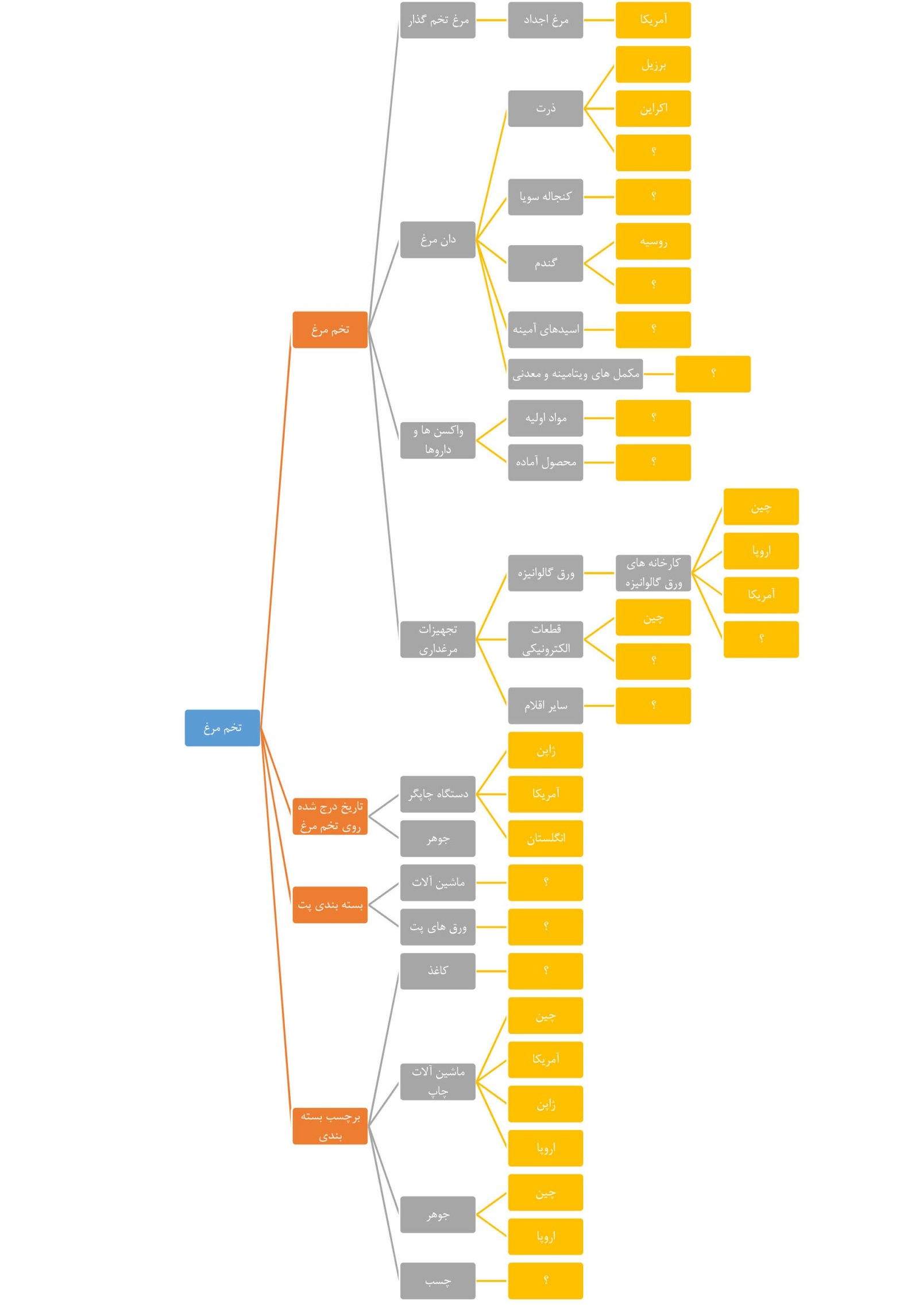
Eggs
The eggs were purchased from a shop in a six-egg pack, described as follows:
- Transparent plastic packaging made of PET (polyethylene terephthalate)
- A paper label on the packaging
- An expiry date printed on the eggs
- Eggs
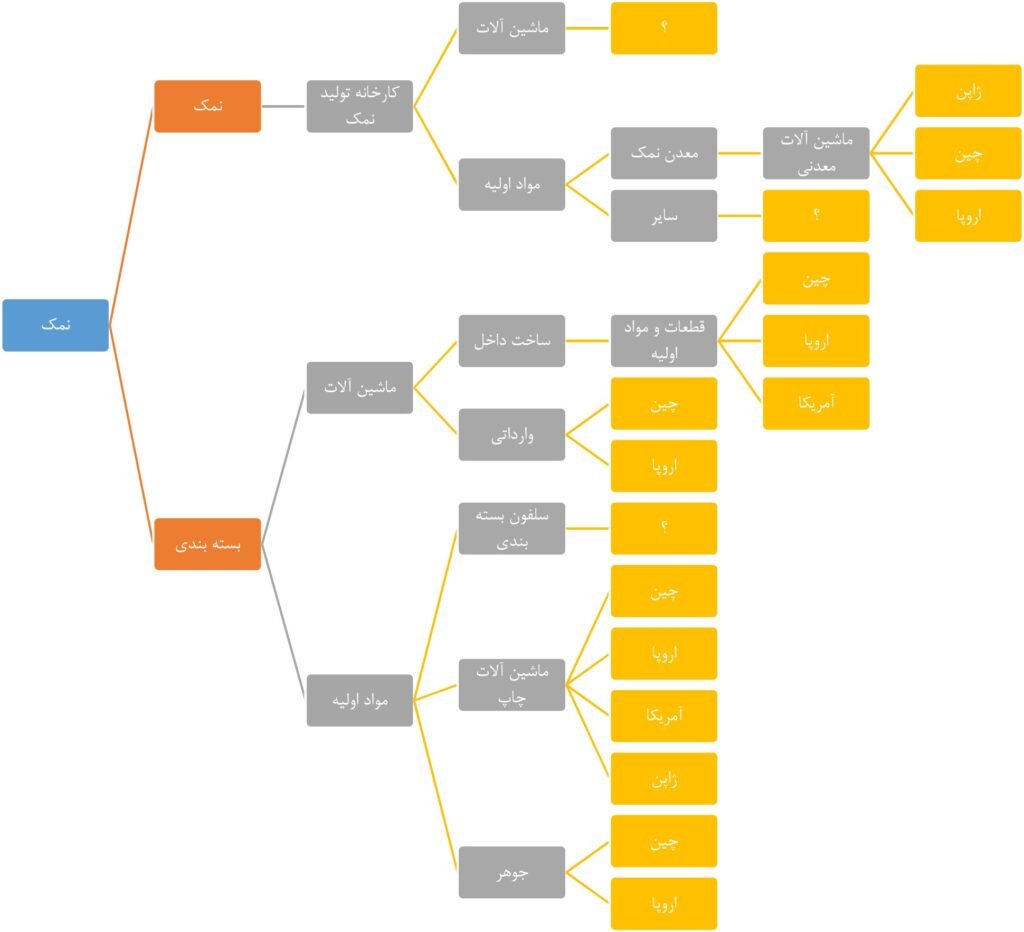
Salt
A packet of refined kitchen salt in plastic cellophane packaging, containing:
- Salt
- Plastic cellophane packaging
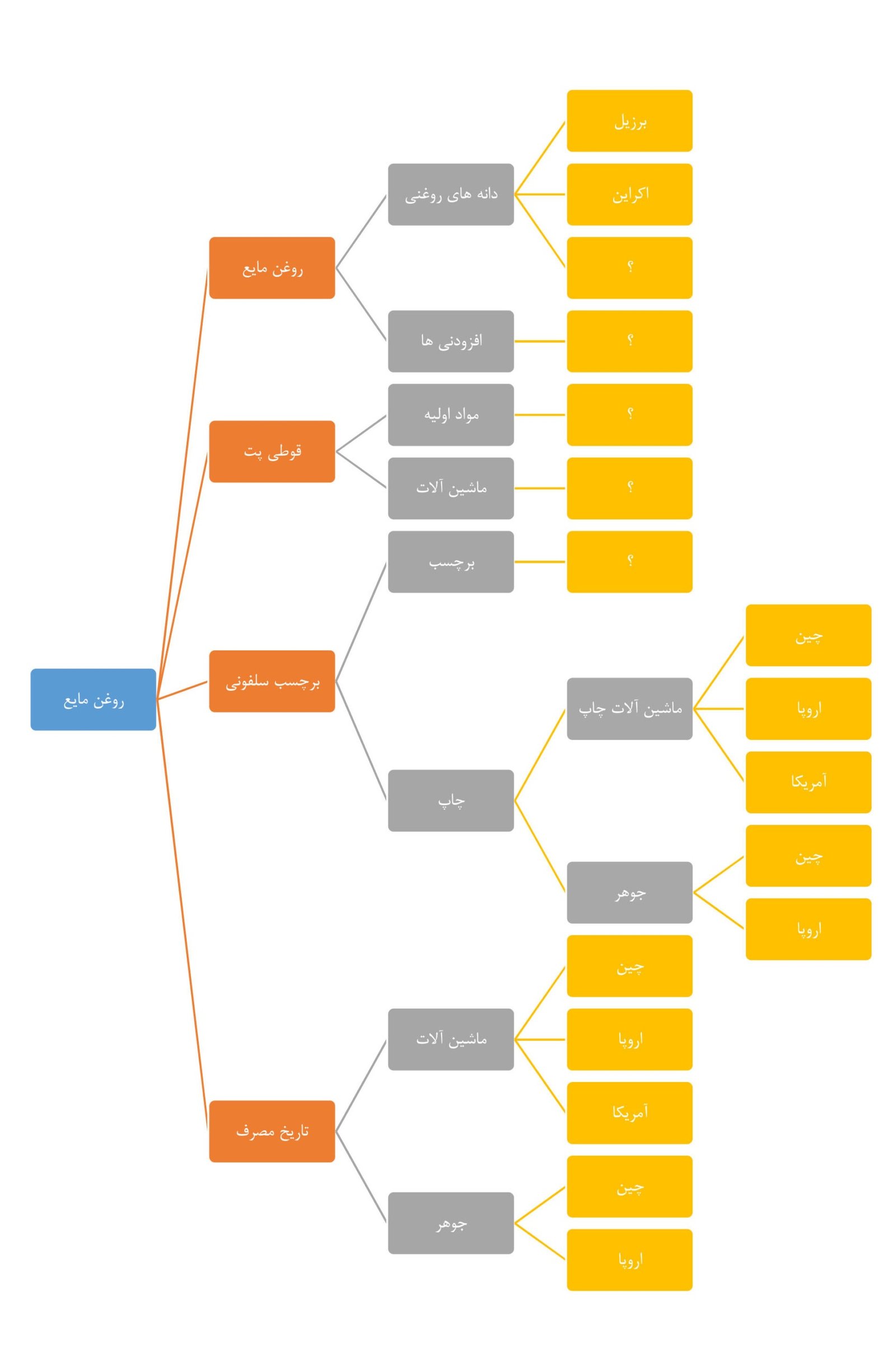
Oil
A one-liter bottle of liquid cooking oil, described as follows:
- Liquid cooking oil
- A plastic bottle made of PET
- A cellophane label on the bottle
- An expiry date printed on the bottle
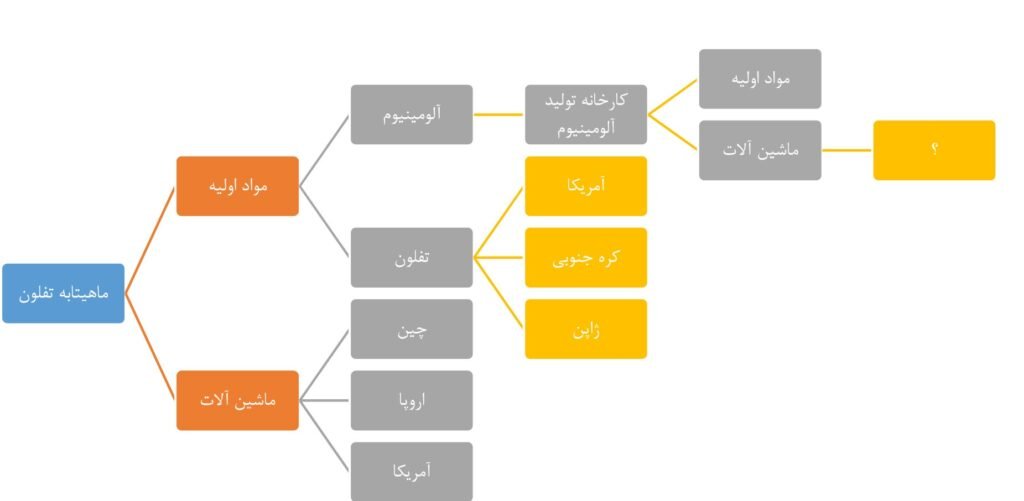
Frying Pan
A Teflon-coated frying pan, described as follows:
- The pan body made of die-cast aluminum
- A Teflon coating
Mains Gas
Piped mains gas, comprising:
- Gas purified in a refinery
- Gas transmission pipelines
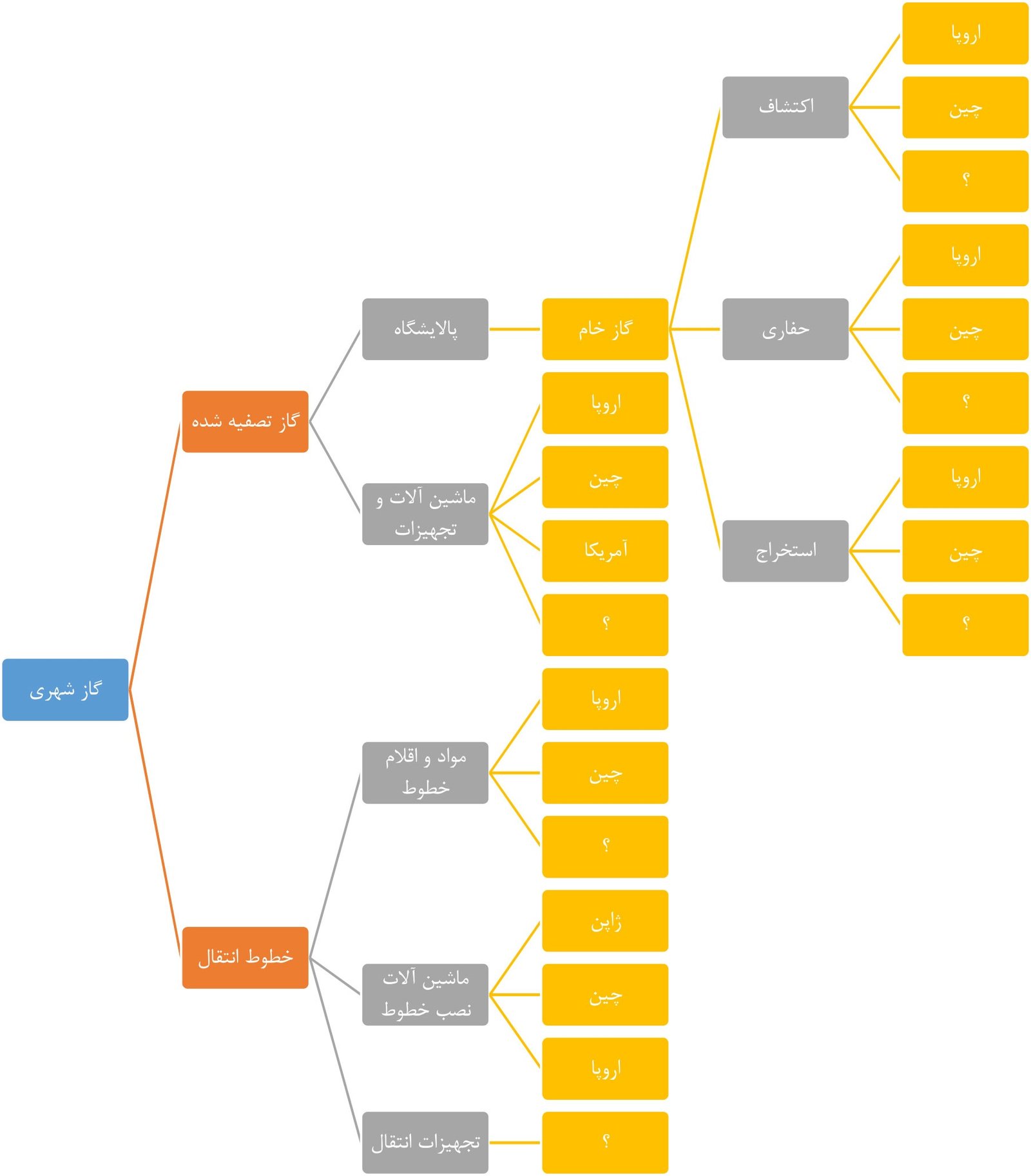
Gas Stove
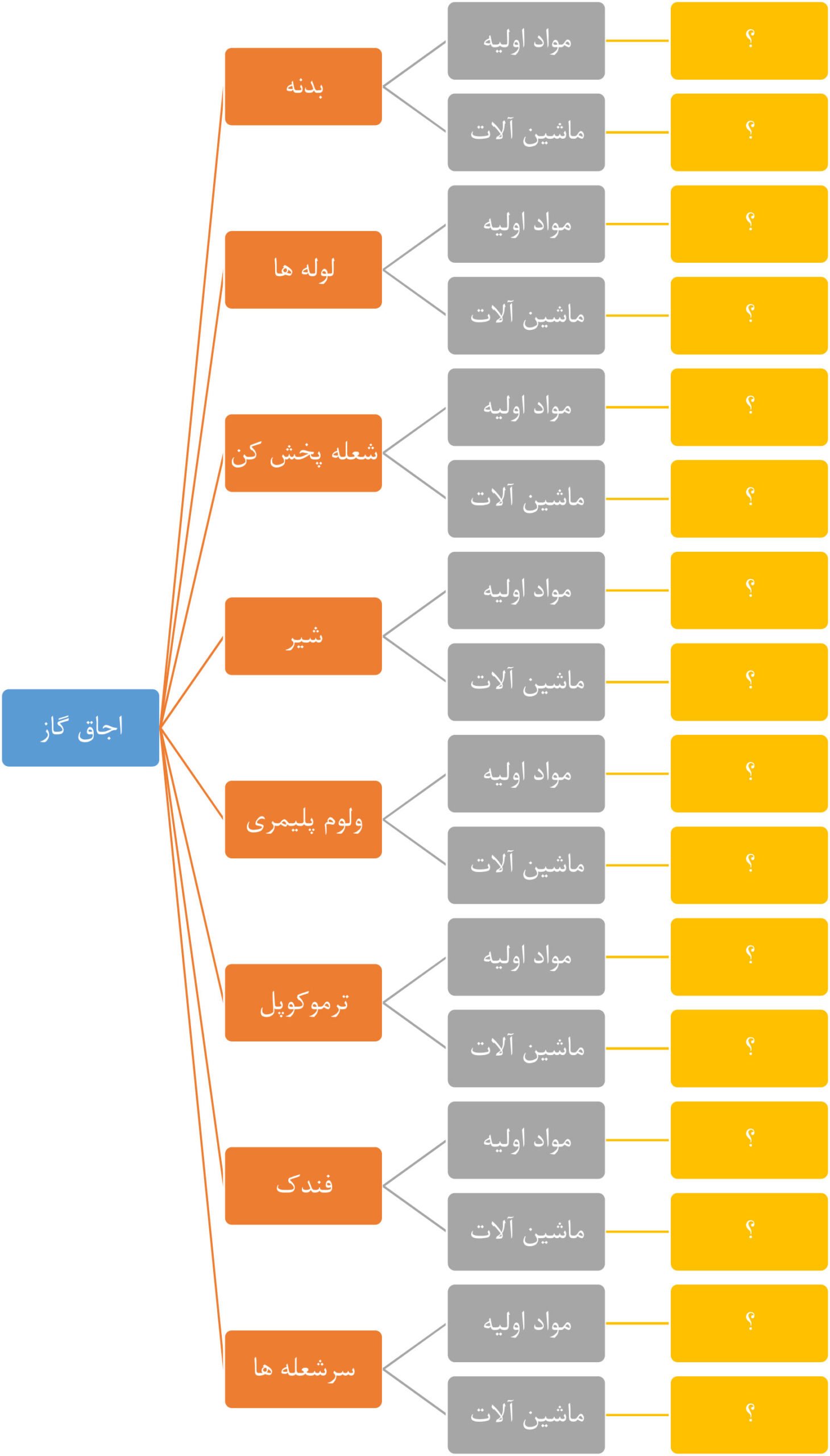
A simple countertop gas stove, comprising:
- A stainless-steel stove body
- Aluminum pipes
- A burner diffuser made of brass and enameled steel
- A valve
- A polymer control knob
- A thermocouple
- An igniter
- Cast-iron burner heads
Postscript
- Why the Fried Egg Doctrine? The aim was to magnify the issue and draw attention to it, with a little humor.
Obviously, this theory examines a simple example. Applying it to other fields, such as the automotive industry, would multiply the subject's scale and breadth many times over.
- The first version of this article confines itself to commonly encountered essentials. Completing its details requires readers' cooperation and assistance.
- By stating facts, this article addresses a management issue in the supply chain. It is not a political discussion, although the subject will ultimately connect with politics.
- It is estimated that more than 50 countries are directly or indirectly involved in preparing fried eggs for an Iranian citizen.
- A minimum estimate is that an Iranian citizen pays between twenty and fifty percent extra to prepare fried eggs because of circumventing sanctions and banking problems. This is a loss to the national economy and a wasted cost.
- Change results from public awareness. It is the duty of all of us to help broaden public awareness, without emotional or prejudiced reactions.
- I look forward to receiving your views and comments.